
Pool Remodeling in South Florida: What to Consider First
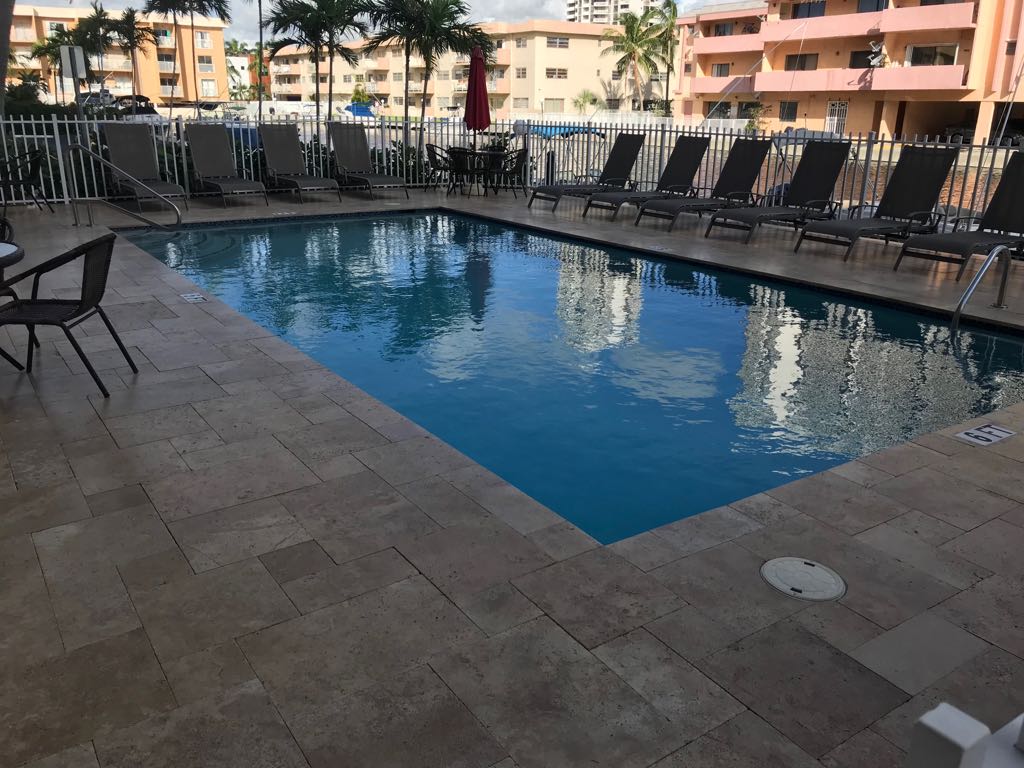
If your pool looks dated, loses water, has a worn interior, or no longer works well with the rest of the yard, the first decision is not which tile color to choose. It is what actually needs to change. A clear scope helps you compare proposals fairly, avoid paying twice for overlapping work, and separate cosmetic upgrades from repairs that should be evaluated before new finishes are installed.
This guide explains the major choices South Florida homeowners should work through before requesting a pool-remodeling estimate.
Start with the condition of the existing pool
Walk the pool and surrounding area before choosing materials. Note visible cracks, hollow or loose tile, stained or rough interior finishes, damaged coping, uneven deck areas, drainage problems, outdated lights, and equipment that is noisy or unreliable. Also consider how the pool is used today. A finish-only update is a different project from changing steps, depth, plumbing, equipment, or the relationship between the pool and deck.
Visible symptoms do not always reveal the underlying cause. Ask each contractor to identify which conditions are cosmetic, which require further evaluation, and which parts of the proposed work depend on what is found after demolition or draining.
Decide whether the project is cosmetic, functional, or structural
A cosmetic remodel may focus on the interior finish, waterline tile, coping, or the appearance of the surrounding deck. Functional work may address circulation, lighting, access, steps, handrails, equipment, or how the deck drains. Structural changes can involve the pool shell, dimensions, depth, or major openings and should be scoped separately from finish selections.
Putting every desired change into one list makes the estimate easier to understand. Mark each item as essential, preferred, or optional so alternates can be priced without obscuring the base scope.
Coordinate the pool, coping, and deck
The pool edge and surrounding hardscape should be planned together. Coping affects the visual transition at the waterline, while the deck influences drainage, surface temperature, slip resistance, maintenance, and how furniture fits around the pool.
For a South Florida yard, compare materials in direct sun and when wet. Ask how the proposed deck assembly will meet existing doors, drains, landscaping, screen-enclosure supports, and walkways. If the deck is part of the project, review Eagle Concrete’s patio and pool-deck services and the separate guide to pool-deck resurfacing so you can distinguish surface renewal from removal and replacement.
Choose finishes by use and maintenance, not color alone
Interior finish, waterline tile, coping, and deck materials age differently. Before selecting them, ask how each material responds to sun exposure, pool chemistry, routine cleaning, staining, and future repairs. View physical samples outdoors when possible because showroom lighting and online photos can make colors look different.
Confirm what the quoted finish system includes, how transitions will be handled, and what care instructions apply after installation. Product-specific cure times, startup procedures, and maintenance requirements should come from the selected system and the contractor’s written project instructions.
Review equipment and access while the pool is already open
Some components are easier to inspect or replace when the pool is drained or surrounding surfaces are already being removed. That does not mean every remodel needs new equipment. It means pumps, filters, heaters, lights, drains, returns, valves, automation, and accessible plumbing should be considered before finish work begins.
Ask which equipment is staying, which items are included as alternates, and whether any proposed change affects electrical, plumbing, access, or inspection requirements. This prevents a finish-focused proposal from overlooking work that may disturb completed surfaces later.
Build an estimate that can be compared line by line
A useful proposal should define the work rather than rely on a single total. Look for clear descriptions of demolition, disposal, surface preparation, repairs, finish materials, tile and coping allowances, deck scope, equipment, access protection, cleanup, permits or inspections when applicable, exclusions, payment stages, and change-order handling.
If two estimates differ substantially, compare the included scope before comparing price. One may assume limited surface preparation while another includes repairs, deck work, or equipment that the first leaves out.
Questions to ask before signing
- What existing conditions could change the scope after work begins?
- Which parts of the proposal are allowances rather than final selections?
- Is the pool interior, coping, tile, deck, and equipment work separated clearly?
- What access and site-protection measures are included?
- Which permits, approvals, or inspections may apply to this scope?
- What will remain usable during the project, and what must be protected or moved?
- What product-specific startup and care instructions will be provided?
- How are unforeseen conditions and change orders documented?
When to request a remodeling estimate
Request an estimate after you have a prioritized list of problems, desired improvements, and optional upgrades. Photos and rough measurements can help with an initial conversation, but the final scope should reflect existing site conditions and the selected materials.
Eagle Concrete’s pool construction and remodeling service is the primary commercial page for homeowners ready to discuss a project. When you are prepared to compare options for the pool and surrounding hardscape, request an estimate.
Make sure to complete all required pool items during your remodel; you may not have the opportunity to once the remodel is complete without having to redo other items. Many pool replacement items require the pool to be empty of water and without the finish materials at the time of installation.
— Kyle Hambrick