
Why Sealing Concrete & Pavers Matters in Florida
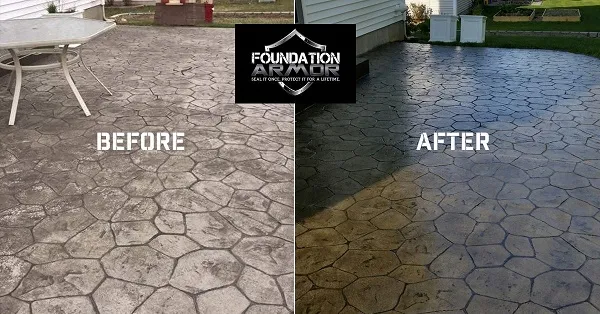
Sealing can help a concrete or paver surface resist moisture, staining, fading, and day-to-day wear, but it is not a universal fix. The right approach depends on the surface material, its condition, the finish you want, and the way the area is used. In South Florida, intense sun, frequent rain, humidity, irrigation, pool chemicals, and coastal exposure make those decisions especially important.
This guide explains what homeowners should evaluate before sealing a driveway, patio, walkway, or pool deck—and when cleaning, repair, drainage work, or replacement should come first.
What a sealer can—and cannot—do
A compatible sealer can reduce water absorption, make some stains easier to clean, and help preserve the appearance of decorative concrete or pavers. Certain products deepen color or add sheen; others are designed to leave the surface looking more natural.
Sealer does not correct a weak base, active cracking, settlement, poor drainage, loose pavers, failed joints, or trapped moisture. Applying a coating over those problems can hide them temporarily while making the eventual repair more difficult. Diagnose the surface first, then decide whether sealing belongs in the plan.
Start with the surface material
Plain or broom-finished concrete
Homeowners often prefer a natural-looking penetrating product for plain concrete because it can limit water absorption without creating a glossy film. Film-forming products may change the color and traction of the surface, so test the proposed finish before treating a large area.
Stamped or decorative concrete
Decorative concrete may benefit from a compatible sealer that refreshes color and protects the finish. Existing coatings matter: a new product must be compatible with what is already on the slab. Whitening, peeling, bubbling, or uneven gloss can indicate moisture, excessive product, poor preparation, or incompatible layers.
Concrete and clay pavers
Paver sealing is closely tied to joint condition. Loose sand, weeds, movement, stains, and uneven units should be addressed before sealer is applied. Some systems are intended to stabilize joint sand, while others mainly protect the paver surface. Ask exactly what the proposed product is designed to do.
Travertine and other natural stone
Natural stone requires a product specifically approved for that stone and location. A sealer can alter color, sheen, and slip characteristics. For pool areas in particular, test a small inconspicuous section and confirm that the finished surface will remain appropriate when wet. Homeowners comparing new materials can also review Eagle Concrete’s brick paver and travertine options.
South Florida conditions to evaluate
Heavy rain and irrigation can keep a surface damp longer than it appears. Moisture trapped beneath a film-forming coating may contribute to clouding or loss of adhesion. Efflorescence—the white mineral residue sometimes visible on masonry—should be investigated and treated before sealing, not covered over.
Sun exposure can fade pigments and break down some coatings over time. Shaded areas, meanwhile, may stay damp and develop mildew more readily. Pool decks also face sunscreen, oils, chlorinated or salt water, and frequent wet foot traffic. These conditions can require different priorities than a driveway exposed to tire traffic and automotive fluids.
Preparation determines the result
A sound sealing job begins with a clean, dry, stable surface. Preparation may include removing dirt, algae, oil, rust, old coating residue, and efflorescence; repairing appropriate defects; resetting loose pavers; and restoring joint material. The cleaning method must suit the surface. Excessive pressure can etch concrete, damage joints, or scar softer stone.
After cleaning, the surface needs enough dry weather and drying time for the selected product. Follow the manufacturer’s requirements for surface moisture, temperature, application rate, number of coats, and cure time. More product is not necessarily better; overapplication can create an uneven, slippery, or cloudy finish.
Traction matters on pool decks, steps, and slopes
A glossy appearance can be appealing, but traction should take priority where people walk on a wet surface. Ask how the proposed system changes slip resistance and whether a compatible traction additive is appropriate. The answer should account for the material, finish, slope, drainage, and intended use—not just appearance.
If a worn or damaged pool area needs more than surface maintenance, review pool deck repair and resurfacing in Fort Lauderdale and Broward County before deciding whether to reseal, repair, resurface, or replace it.
Questions to ask before hiring or buying a product
- What is the exact product and is it approved for this material?
- Is it penetrating or film-forming, and how will it change color or sheen?
- What existing coating is on the surface, and is the new product compatible?
- What cleaning, stripping, repairs, or joint work are included?
- How will moisture and efflorescence be checked before application?
- How will the finished surface perform when wet?
- What weather window and cure conditions does the manufacturer require?
- What maintenance will be needed, and how will future recoating or removal work?
Get the product name and preparation steps in writing. If two estimates use different systems, compare the scope and expected finish rather than price alone.
When repair or replacement should come first
Active cracks, settlement, rocking pavers, standing water, drainage problems, widespread coating failure, or significant surface deterioration deserve evaluation before another coat is applied. Sealing should protect a suitable surface; it should not be used to disguise a structural or drainage issue.
For a deteriorated driveway, Eagle Concrete’s guide to concrete driveway installation and replacement explains how base conditions, drainage, access, reinforcement, and intended use affect the larger project decision.
Plan the whole surface, not just the sealer
The best result comes from matching the material, preparation, product, finish, and maintenance plan to the actual site. A small test area can reveal color and sheen, but it does not replace checking moisture, drainage, damage, and compatibility.
If you are planning a new driveway, patio, pool deck, paver, or travertine project in South Florida, contact Eagle Concrete Corp to discuss the surface, drainage, material, and finish as one coordinated project.